Why Anti-Ligature Enclosures Are Essential in Detention and Behavioral Health Facilities
Detention centers and behavioral health facilities face unique challenges when it comes to ensuring the safety and well-being of the people in their care. One of the most important considerations is reducing opportunities for self-harm. This is where anti-ligature enclosures play a critical role.
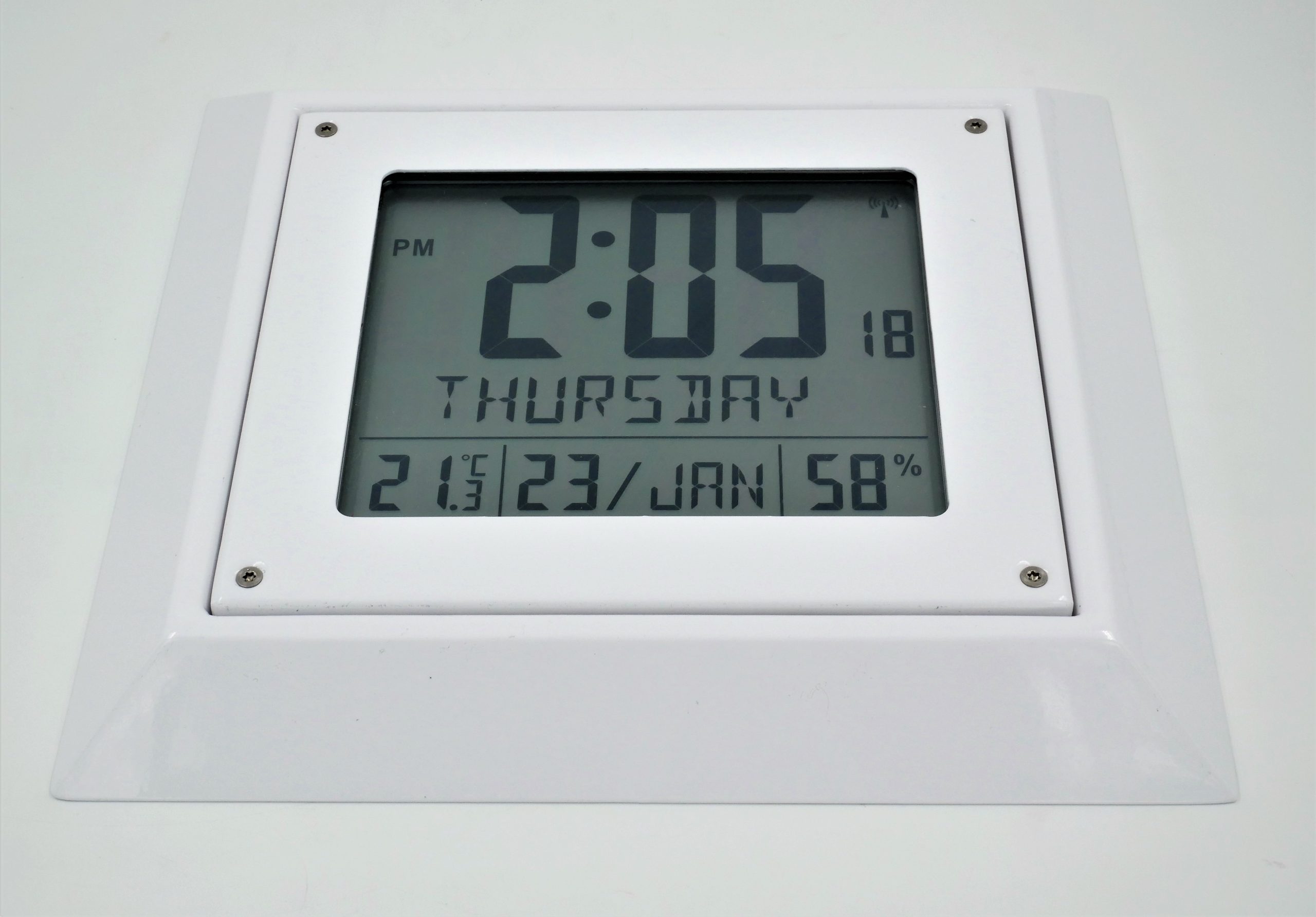
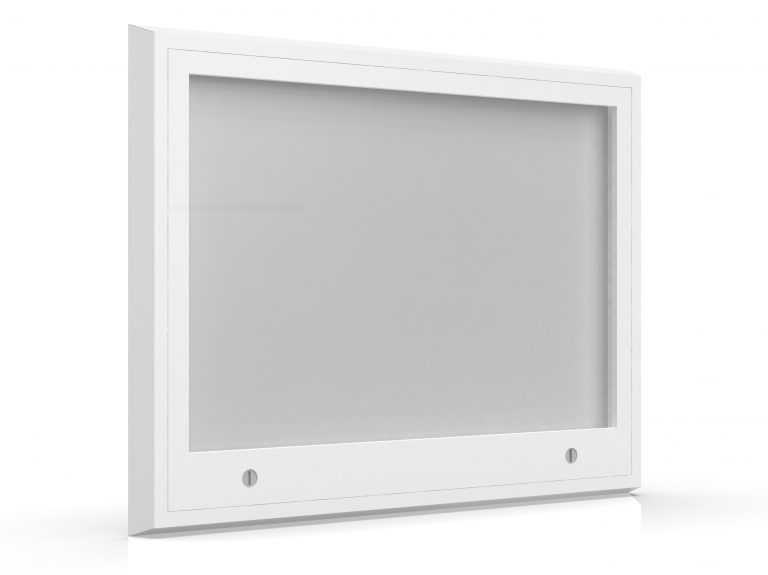
A ligature point is any object or feature that can be used to attach a cord, rope, or other material for the purpose of self-harm. Common fixtures such as televisions, clocks, or noticeboards can unintentionally create these risks if they are not properly protected. Anti-ligature enclosures are designed specifically to remove these hazards. They feature sloped tops, tamper-resistant locks, and shatterproof viewing windows, making them safe for use in high-risk environments.
Why Anti-Ligature Enclosures help.
In detention facilities, anti-ligature enclosures help staff create a safer environment without compromising functionality. For example, television enclosures allow inmates to watch securely mounted screens, while preventing access to cables or sharp edges that could be misused. Similarly, in behavioral health settings, patients can access information displays, digital noticeboards, and clocks safely—supporting day-to-day routines while minimizing risks.
Beyond safety, anti-ligature enclosures also help facilities meet compliance requirements. Regulatory bodies such as The Joint Commission in the U.S. highlight the importance of reducing ligature risks as part of ongoing safety standards. By installing approved enclosures, facilities not only protect vulnerable individuals but also demonstrate their commitment to best practices.
Anti-Ligature Enclosure Solutions: when prevention is better than patient harm.
Ultimately, anti-ligature enclosures are a preventative solution that balances security with dignity. They allow patients and residents to benefit from normal routines and access to media, while giving staff peace of mind that risks are reduced. For detention centers and behavioral health units, investing in these enclosures is not optional—it is a critical step in safeguarding lives.